Rare Collection
Investment-Grade Color Change Garnet
Color Change Garnet
Among the most fascinating gems in the world, shifting between varying light spectrums.
The Alexandrite Effect: A Scientific Marvel
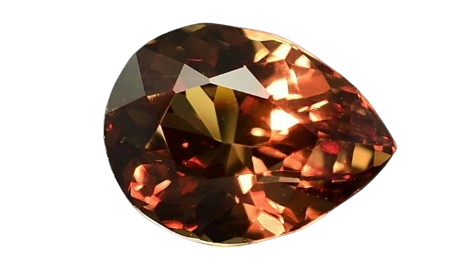
Color Change Garnet represents one of the most intellectually stimulating specimens in the gemological world. This phenomenon, often referred to as the Alexandrite Effect, is a consequence of the stone's complex interaction with different light sources. Structurally, these garnets are typically an intermediate member of the Pyrope-Spessartite solid solution series. The presence of trace elements like Vanadium and Chromium creates local absorption bands that allow the stone to transmit different portions of the visible spectrum. Under the balanced blue-green spectrum of natural daylight, the stone often appears as a lush green or deep violet-blue, but when exposed to the red-rich spectrum of incandescent light, it undergoes a dramatic "vascular" shift to a warm magenta or raspberry red.
The precision required for this effect to manifest is staggering. If the concentration of trace elements is too high, the stone becomes overly dark and opaque; too low, and the color change is weak and unappealing. This delicate chemical balance makes genuine, high-quality Color Change Garnets rarer than the vast majority of traditional "precious" stones. For gemologists, observing this shift is a reminder of the Earth's ability to produce complex optical filters within deep geological structures, turning a simple mineral into a dynamic, living prism.
The Bekily Blue & Tanzanian Sourcing
High-quality Color Change Garnets were virtually unknown until the late 1990s, when a significant deposit was discovered in Bekily, Madagascar. These Madagascan stones are legendary for their ability to shift from a "true blue"—a color previously thought impossible for the Garnet species—to a deep purplish-red. This discovery effectively rewrote the gemological textbooks and sent collectors into a frenzy. Since then, the Umba Valley in Tanzania has also emerged as a critical source, yielding specimens with unique "cinnamon to rose" shifts that are particularly favored in the European luxury market.
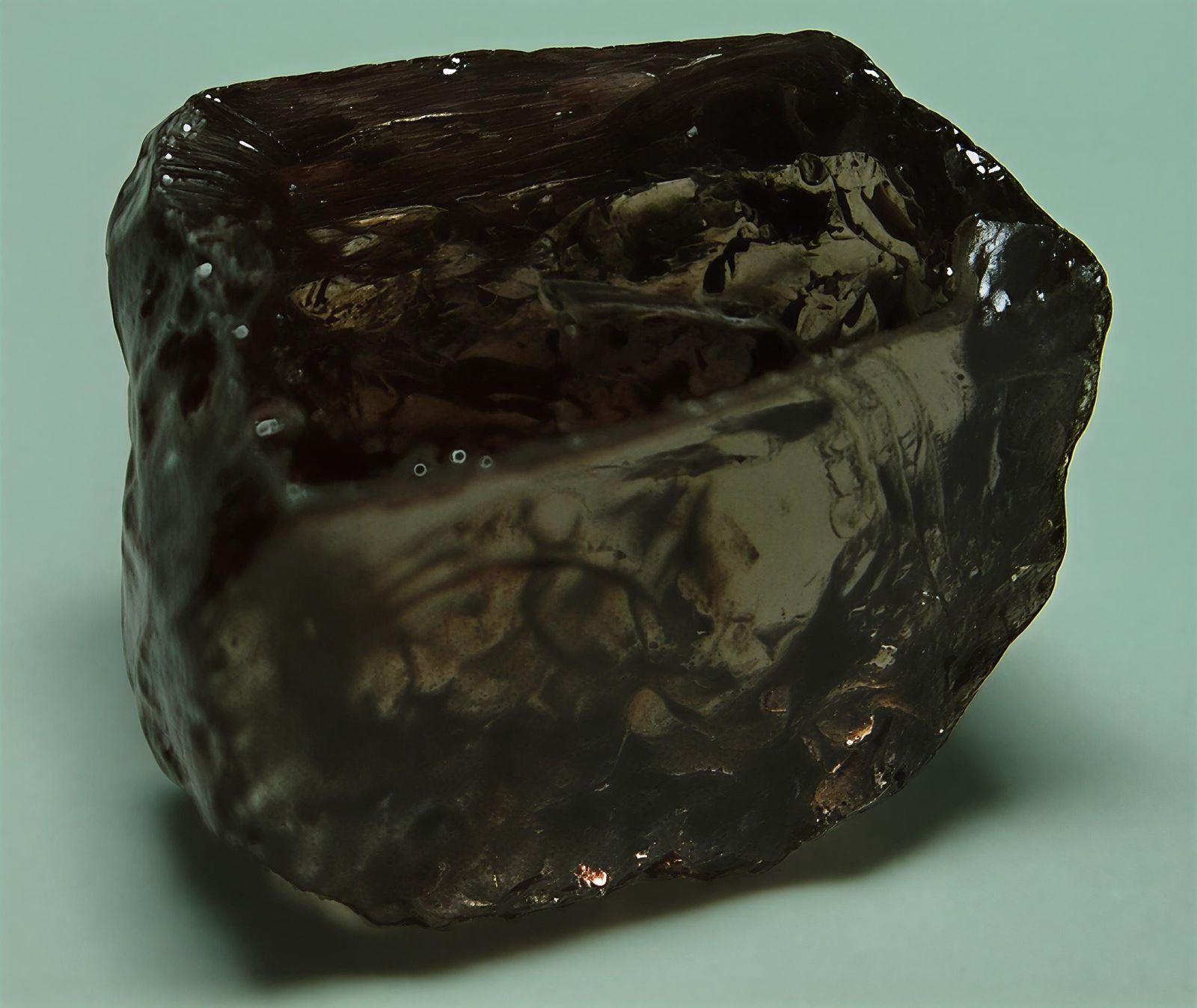
The rarity of these stones is compounded by their typical size. The vast majority of Color Change Garnets recovered are under one carat, and finding an eye-clean specimen over three carats with a strong, saturated shift is a generational event. These larger stones are the anchors of private collections, often trading hands in discreet private sales rather than through public auctions. The "Bekily Blue" label has become a hallmark of quality, representing a specific geological moment in Madagascar's history that may never be repeated.
Investment Metrics & Market Scarcity
From a financial perspective, Color Change Garnet is an asset with a high barrier to entry and a limited supply shelf. Unlike mass-mined gems, its value is tied to its "percentage of change"—a metric that evaluates how complete the transition between its two states is. A stone that achieves a 100% color shift with high clarity and saturation is considered a blue-chip investment. Because these garnets are universally sold without heat or chemical treatment, their value is inherently rooted in the stone's natural integrity.
As the known deposits in Madagascar and Tanzania face depletion, the secondary market for these gems has seen steady appreciation. Experienced collectors recognize that its appearance is frequently mistaken for far more expensive Alexandrite, yet its higher refractive index often provides it with superior brilliance and "sparkle." For an elite portfolio, a high-carat, untreated Color Change Garnet is both a scientific curiosity and a robust store of value, representing the pinnacle of what the Garnet family can offer to the discerning collector.