Rare Collection
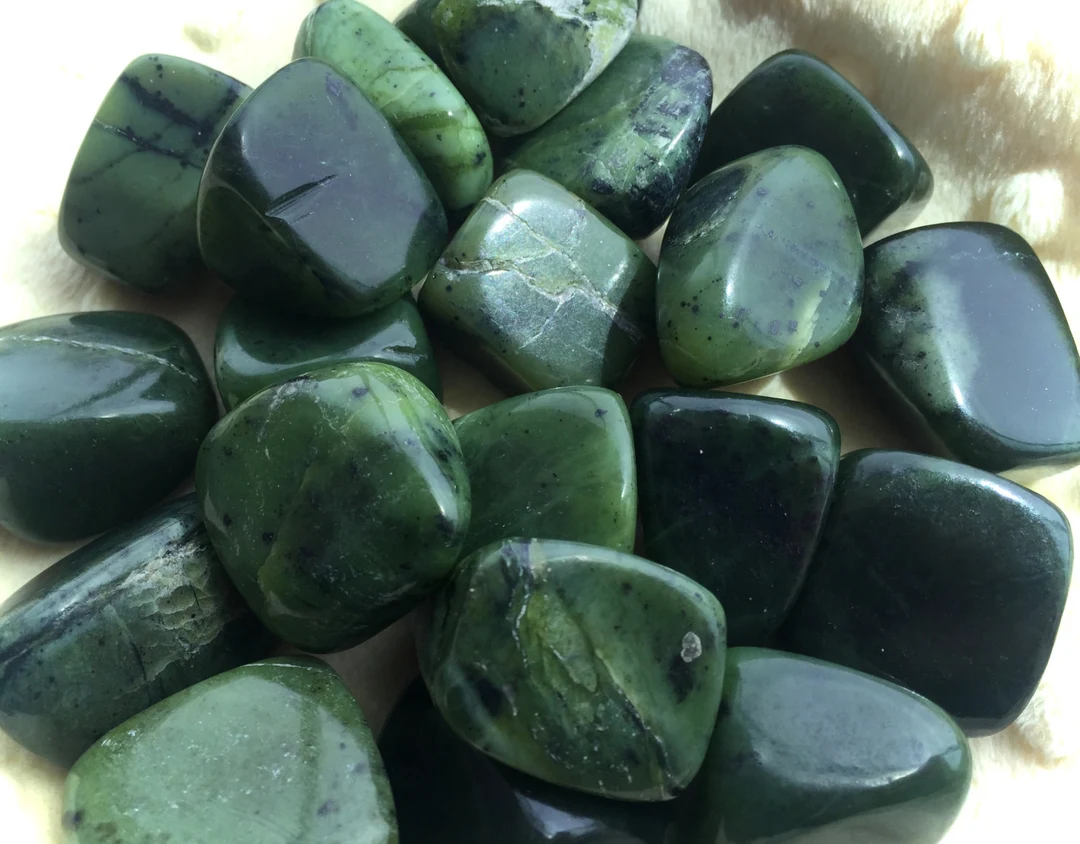
Natural Jadeite and Nephrite Stones
Jadeite & Nephrite
The "Stone of Heaven," more precious than gold in many global cultures.
The Immortality Stone: A Tale of Two Jades
For thousands of years, the name "Jade" was used to describe a single, mysterious material that was harder than steel and more valuable than gold in East Asian cultures. It was only in 1863 that the French mineralogist Alexis Damour discovered that "Jade" was actually two distinct minerals: Jadeite and Nephrite. While they look similar to the untrained eye, they have different chemical compositions and crystalline structures. Both are valued for their extreme toughness—the ability to resist breaking or chipping—which is why they were used for both prehistoric axes and the most delicate carvings of the Imperial Chinese court. Jade is often referred to as the "immortality stone," believed to protect the body and spirit across lifetimes.
Jadeite is the rarer and more valuable of the two, typically found in Myanmar (Burma). It offers a wider range of colors, including the legendary "Imperial Jade"—a translucent, vivid emerald green that is one of the most expensive materials on Earth. Jadeite can also manifest in lavender, red, orange, and "ice" varieties, each highly prized by modern collectors. Nephrite, while more common, has a longer historical reach and is famous for its "mutton-fat" white and deep "spinach" green tones. Nephrite is found in many locations, including New Zealand, Canada, and Russia, and is celebrated for its velvety texture and its association with traditional wisdom and longevity.
Art of the Cabochon & Modern Significance
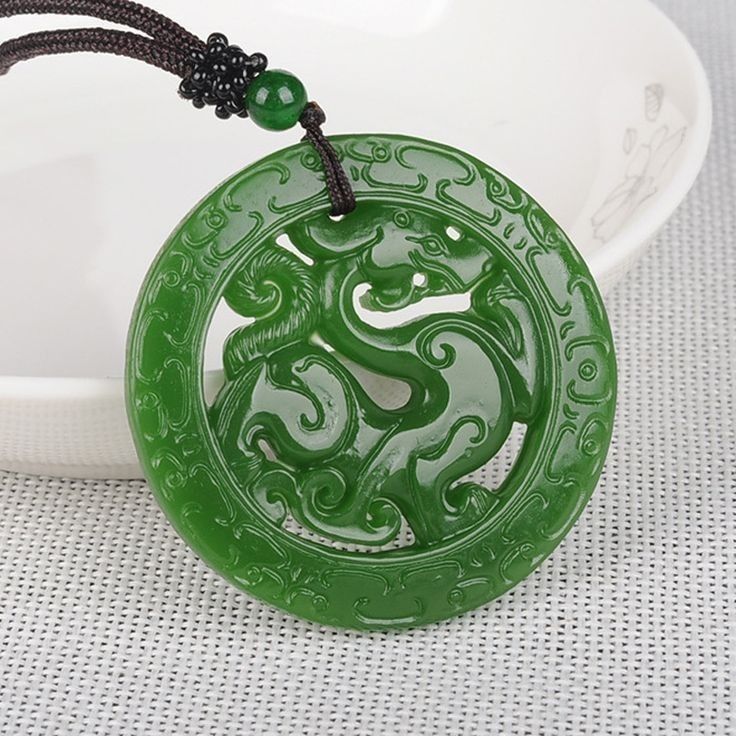
The appreciation of Jade is an art form itself, focusing on "water" (translucency) and "oil" (the stone's characteristic luster). Unlike faceted gems that rely on external sparkle, Jade is typically polished into cabochons or intricate plaques that showcase its internal depth and silky smoothness. In the high-end market, a piece of old-mine Jadeite from Myanmar is considered a blue-chip investment, with values that have consistently outperformed many traditional financial assets. In cultures that revere Jade, it is not just a gemstone but a vessel for the five virtues: benevolence, righteousness, wisdom, bravery, and integrity. It is the only gemstone where the value is often determined by the soul of the stone as much as its physical specs.
Modern jewelry design has embraced Jade, moving it beyond traditional carvings into sleek, minimalist settings. Its toughness makes it ideal for everyday wear, as it can survive the drops and bumps that would shatter most other gemstones. Whether it is a "bi-disk" representing the heavens, a suite of lavender jadeite beads, or a contemporary ring featuring a neon-green cabochon, the Jade family remains a bridge between the ancient and the modern. It is a material that feels "alive" to the touch, warming to the body and becoming more beautiful with wear, a timeless treasure that has defined the aesthetic of civilizations for over five millennia.