Rare Collection
Legendary Historic Gemstones
Historic Gems
Legendary jewels that shaped empires and defined eras.
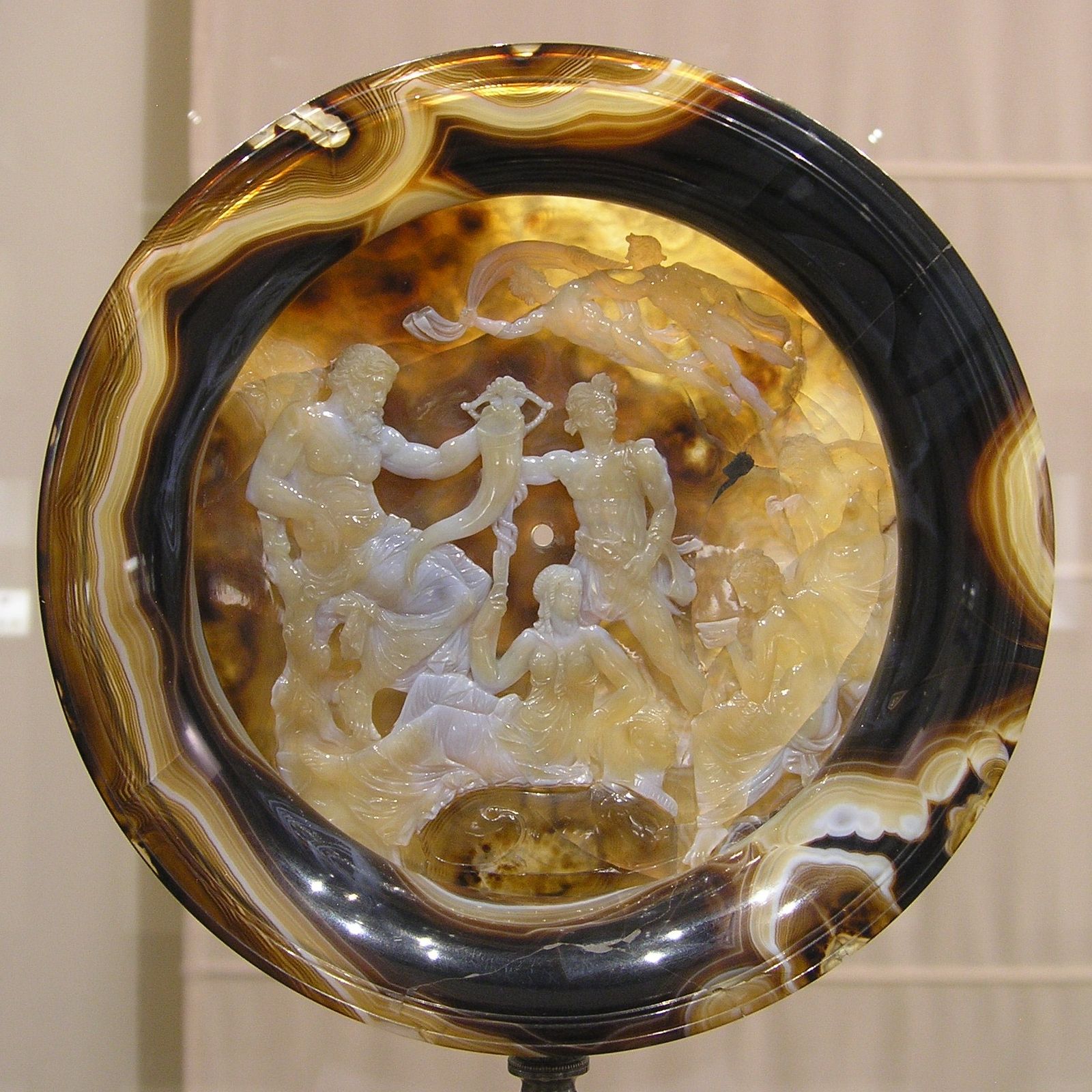
The Farnese Cup
The Farnese Cup is a 2nd-century BC sardonyx tazza (libation bowl) created in Ptolemaic Egypt. It is one of the most significant and largest ancient hardstone carvings in existence.
The intricate relief carving depicts scenes of fertility and the Nile, showcasing the incredible skill of ancient lapidaries who could transform a single piece of layered stone into a complex narrative.
Tutankhamun's Amulets
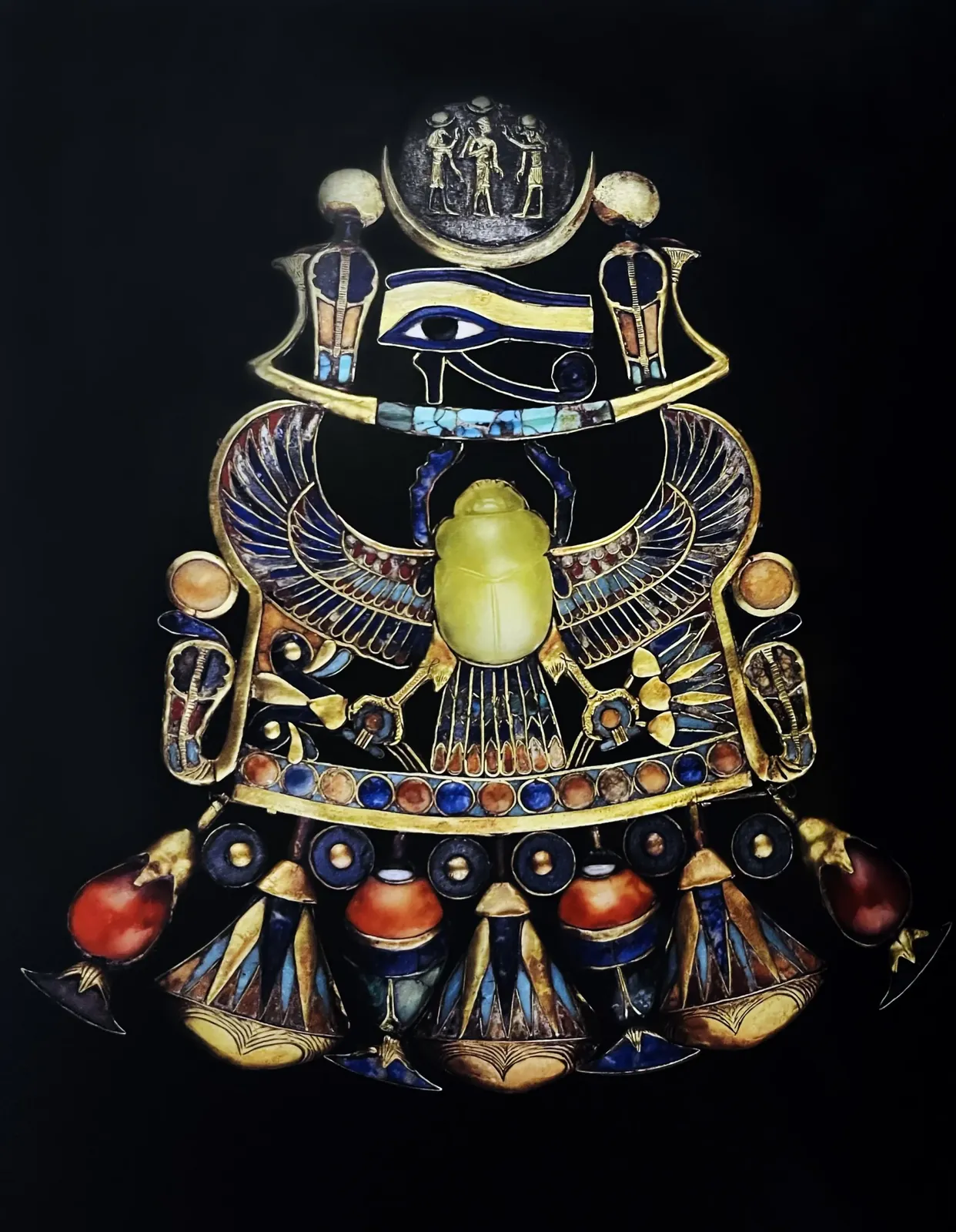
The burial of King Tutankhamun revealed a treasury of gemstones including lapis lazuli, turquoise, and carnelian. These weren't just decorations; they were magical amulets meant to protect the Pharaoh in the afterlife.
The craftsmanship of the funerary mask and the pectoral jewelry represents the height of Ancient Egyptian goldsmithing, where gemstones were the primary medium for spiritual iconography.
Lapis Lazuli Artifacts
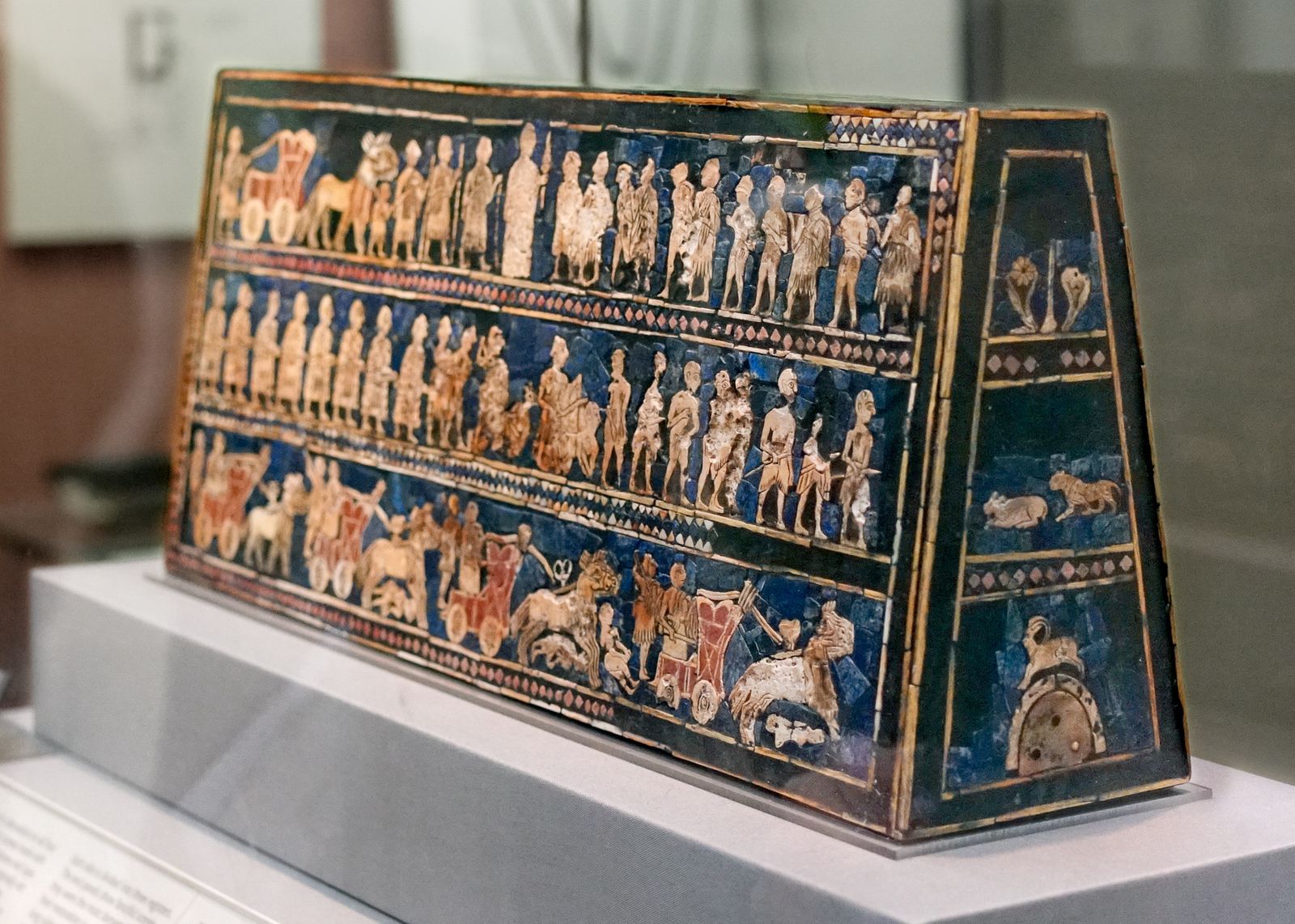
From the Standard of Ur to the ceilings of the Sistine Chapel, Lapis Lazuli has been the world's most prized blue pigment and carving material. Its source in Badakhshan, Afghanistan, has been worked for over 6,000 years.
Historic artifacts made of Lapis represent the connection between the earth and the heavens, as the golden pyrite inclusions resemble stars in a deep blue sky.
The Florentine Diamond
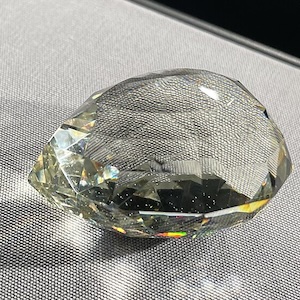
A lost legend of gemology, the 137-carat light yellow Florentine Diamond was once owned by the Medici family and the Austrian Hapsburgs. It disappeared after World War I and has never been seen since.
Its unique complex double-rose cut made it a masterpiece of the Renaissance. Today, it exists only in replicas and sketches, a haunting reminder of the ephemeral nature of even the hardest treasures.