Rare Collection
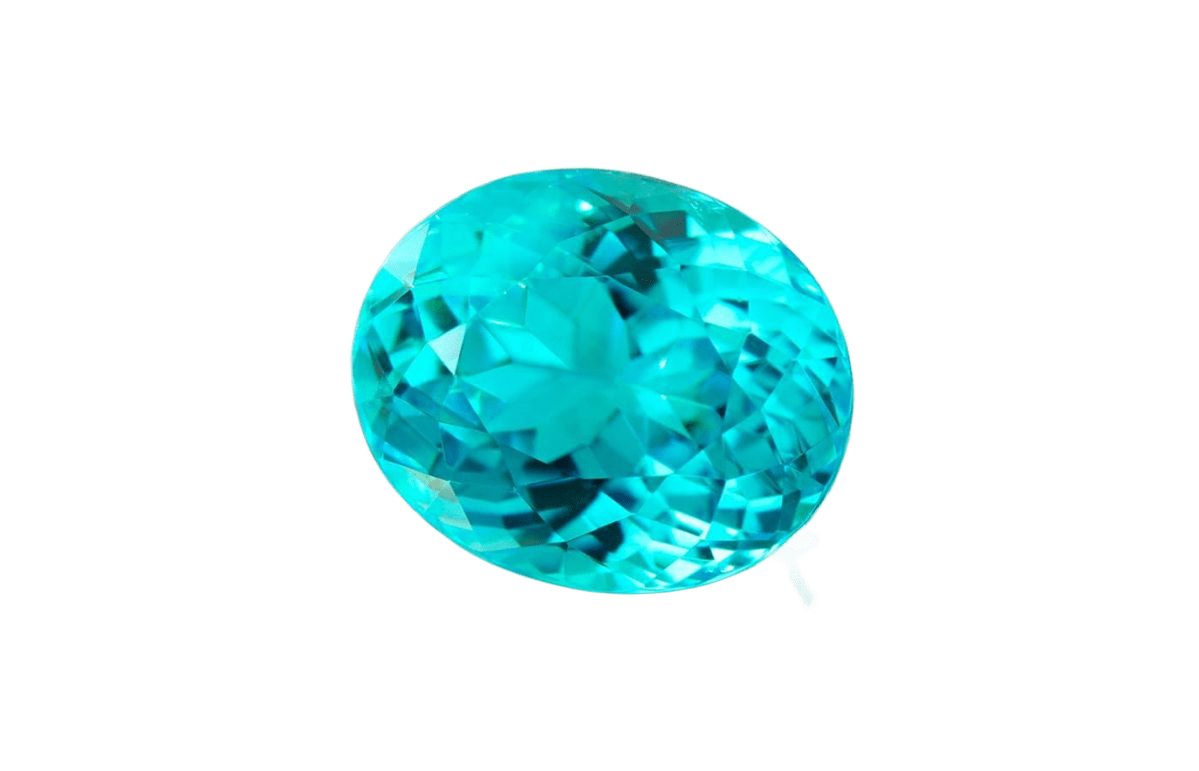
Natural Aquamarine Gemstones
Aquamarine
The serene blue variety of beryl, evocative of the ocean's clarity and depth.
Crystalline Architecture & Chemistry
Aquamarine is a sophisticated member of the Beryl family (Be₃Al₂Si₆O₁₈), sharing its lineage with Emerald and Morganite. Its serene blue hue is a result of trace amounts of iron (Fe²⁺) situated within the channel-like structures of its hexagonal crystals. Unlike Emerald, which is often riddled with inclusions (the "jardin"), Aquamarine typically crystallizes with exceptional clarity, allowing for the creation of large, transparent gems that capture and hold light with remarkable efficiency. This clarity is a hallmark of the species, making it the preferred choice for those who value purity and unobstructed brilliance.
The growth of Aquamarine occurs primarily in granite pegmatites—veins of cooling magma that allow for the formation of exceptionally large crystals over millions of years. This slow cooling process is responsible for the stone's high degree of structural perfection. With a Mohs hardness of 7.5 to 8.0, Aquamarine is remarkably durable, resistant to the scratches of daily wear, and capable of maintaining its vitreous luster for generations. In the lab, gemologists look for its characteristic "dichroism"—the ability to show different shades of blue depending on the viewing angle—to confirm its natural origin and superior cut quality.
Maritime Lore & Ancient Mystique
Throughout history, Aquamarine been inextricably linked to the mysteries of the ocean. Its name is a direct derivation of the Latin aqua marina, meaning "seawater." In ancient Greece and Rome, it was considered a sacred treasure of mermaids, gifted to sailors as a talisman of protection against the unpredictable forces of Poseidon. It was believed that the gemstone's power was most potent when submerged in water, and it was often thrown overboard during storms to appease the gods of the deep. This maritime heritage has bestowed upon the stone a legacy of calm, courage, and safe passage.
In addition to its protective qualities for travelers, Aquamarine was historically associated with eternal youth and happiness. During the Middle Ages, it was used as a medium for fortune-telling, with practitioners dropping a stone into a bowl of water to observe the ripples it created. Today, while its mystical associations have evolved, it remains the ultimate symbol of clarity and peace, often gifted to commemorate 19th wedding anniversaries and as the designated birthstone for March. Its cool, liquid aesthetic continues to resonate with those seeking a connection to the elemental power of water.
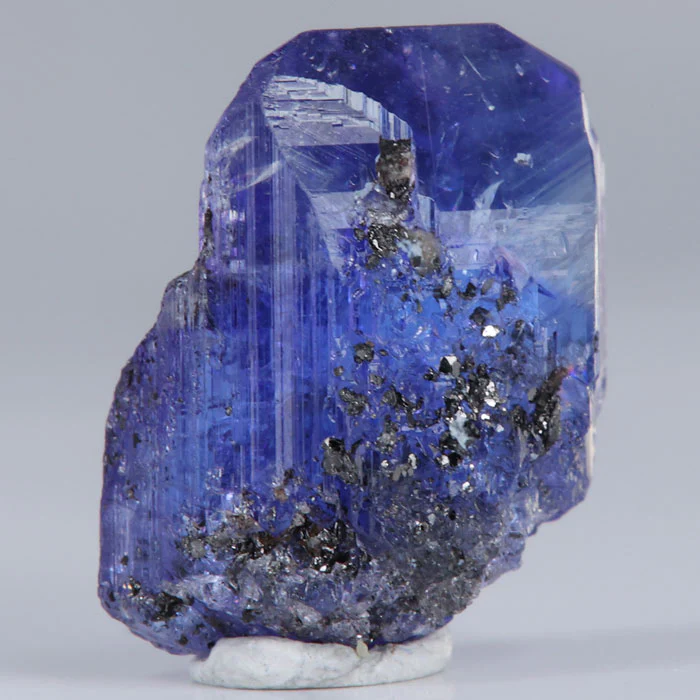
The Santa Maria Standard & African Sourcing
In the world of luxury gemology, the "Santa Maria" grade represents the pinnacle of Aquamarine quality. Named after the Santa Maria de Itabira mine in Brazil, this designation is reserved for stones that exhibit an intense, saturated blue without the greenish modifiers often found in lesser specimens. While the original Brazilian mines are nearing exhaustion, Africa has emerged as the modern frontier for exceptional Aquamarine. Localities in Nigeria, Zambia, and Madagascar are now producing stones that rival the legendary Brazilian strikes, offering a range of "electric" and "glacial" blues that are highly sought after by elite designers.
The value of a high-end Aquamarine is heavily dependent on the depth of its color and the precision of its cut. Because the material is often available in large sizes, master cutters can experiment with elaborate "fantasy cuts" and deep-bellied step-cuts that maximize color saturation. For the serious investor, unheated Aquamarines—those that possess their saturated color naturally without the industry-standard heat treatment—are the true prizes. These rare, untouched specimens command significant premiums and represent a growing segment of the specialized "natural-only" gemstone market.