Rare Collection
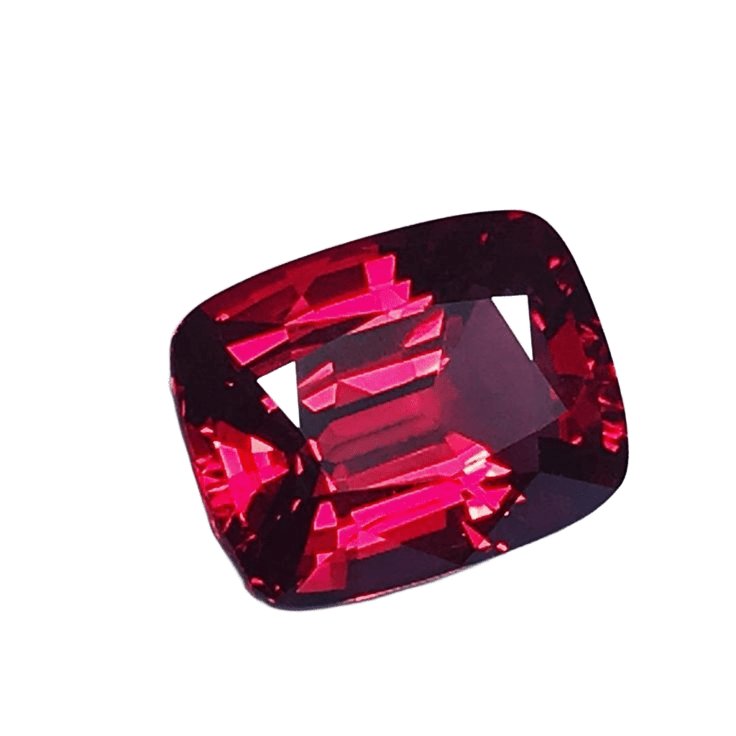
Natural African Spinel Gemstone
African Spinel
A naturally occurring aluminum magnesium oxide gemstone renowned for its vivid colors and brilliance.
Genesis & Subsurface Alchemy
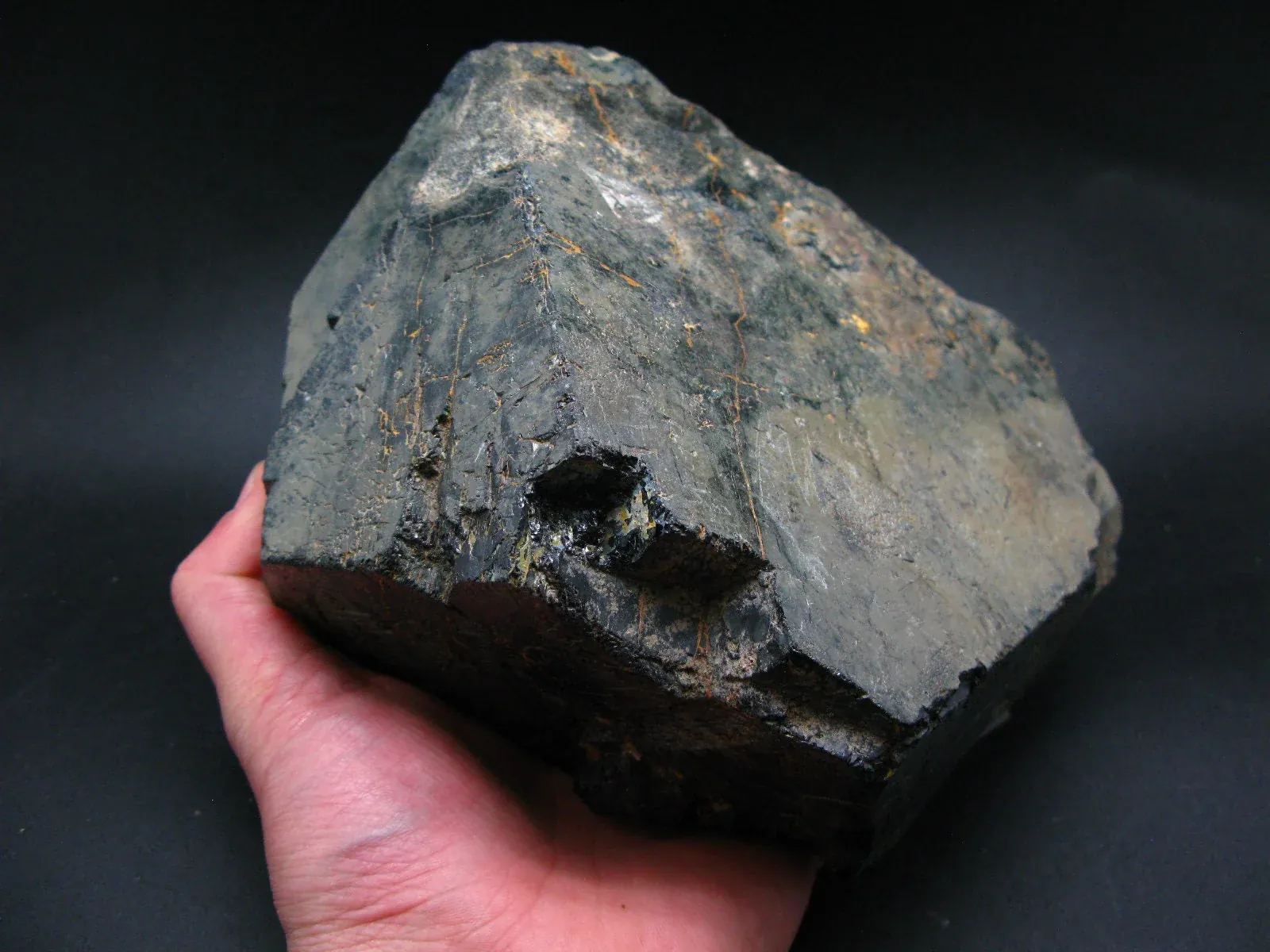
The formation of African Spinel is a masterclass in metamorphic geology. It crystallizes within the intense heat and pressure of the Earth's crust, typically within contact metamorphic zones where magma encounters limestone or dolomite. This specific environment facilitates the reaction between aluminum-rich fluids and magnesium-bearing rocks, resulting in the crystalline structure of MgAl₂O₄. The presence of trace elements is what bestows Spinel with its legendary palette; Chromium provides the fiery reds, while Iron and Cobalt create the intense blues and deep lavenders that are characteristic of the Tanzanian and Madagascan strikes.
Structurally, Spinel belongs to the cubic system, meaning its light is singly refractive. Unlike many other prized gems that are doubly refractive (splitting light into two rays), Spinel allows light to pass through in a single, unadulterated path. This technical trait, combined with its high refractive index, results in an extraordinary "fire" and brilliance that often exceeds that of Sapphire or Ruby. Because it forms in relatively clean environments, Spinel is frequently recovered with exceptional "eye-clean" transparency, making it a favorite for master cutters who wish to showcase the stone's natural optical perfection.
The Great Deception: A Royal Legacy
For centuries, Spinel was the world's most successful "imposter." Because it was found in many of the same alluvial deposits as Corundum (Ruby and Sapphire), it was historically classified as "Balas Ruby." The most famous example is the legendary Black Prince's Ruby set in the British Imperial State Crown. It was only in 1783 that mineralogist Jean-Baptiste Louis Romé de l'Isle officially identified Spinel as a distinct mineral species. This "deception" actually speaks to the stone's quality; it was so visually convincing that even the most elite royal jewelers could not distinguish it from the finest rubies for over half a millennium.
Today, this historical confusion has transformed into a mark of prestige. Collectors now actively seek the very specimens that were once "misidentified," recognizing that Spinel offers a level of natural, untreated color saturation that many modern rubies can only achieve through heat enhancement. In the world of high-end gemology, Spinel is no longer an imposter, but a peer to the most legendary gems in history.
Market Dynamics & Mahenge Mastery
The discovery of electric "neon" pink spinels in the Mahenge region of Tanzania in 2007 marked a tectonic shift in the gemstone market. These stones, often described as having a "vibrant glow," commanded immediate international attention and saw prices skyrocket from a few hundred dollars to tens of thousands per carat within a decade. Madagascar further solidified Africa's dominance in the Spinel market, producing large, saturated specimens in a range of "blush" and "rose gold" tones that perfectly complement modern luxury design aesthetics.
Investment-grade African Spinel is characterized by its lack of treatment. While the vast majority of rubies and sapphires undergo heating to improve color, Spinel is almost universally sold in its natural state. This purity, combined with the extreme scarcity of stones over five carats, makes it a compelling asset for long-term collectors. As the world's supply of traditional precious stones becomes increasingly restricted, the rarity and natural brilliance of Top-grade African Spinel continue to drive its status as one of the most desirable investments in the colored stone world.